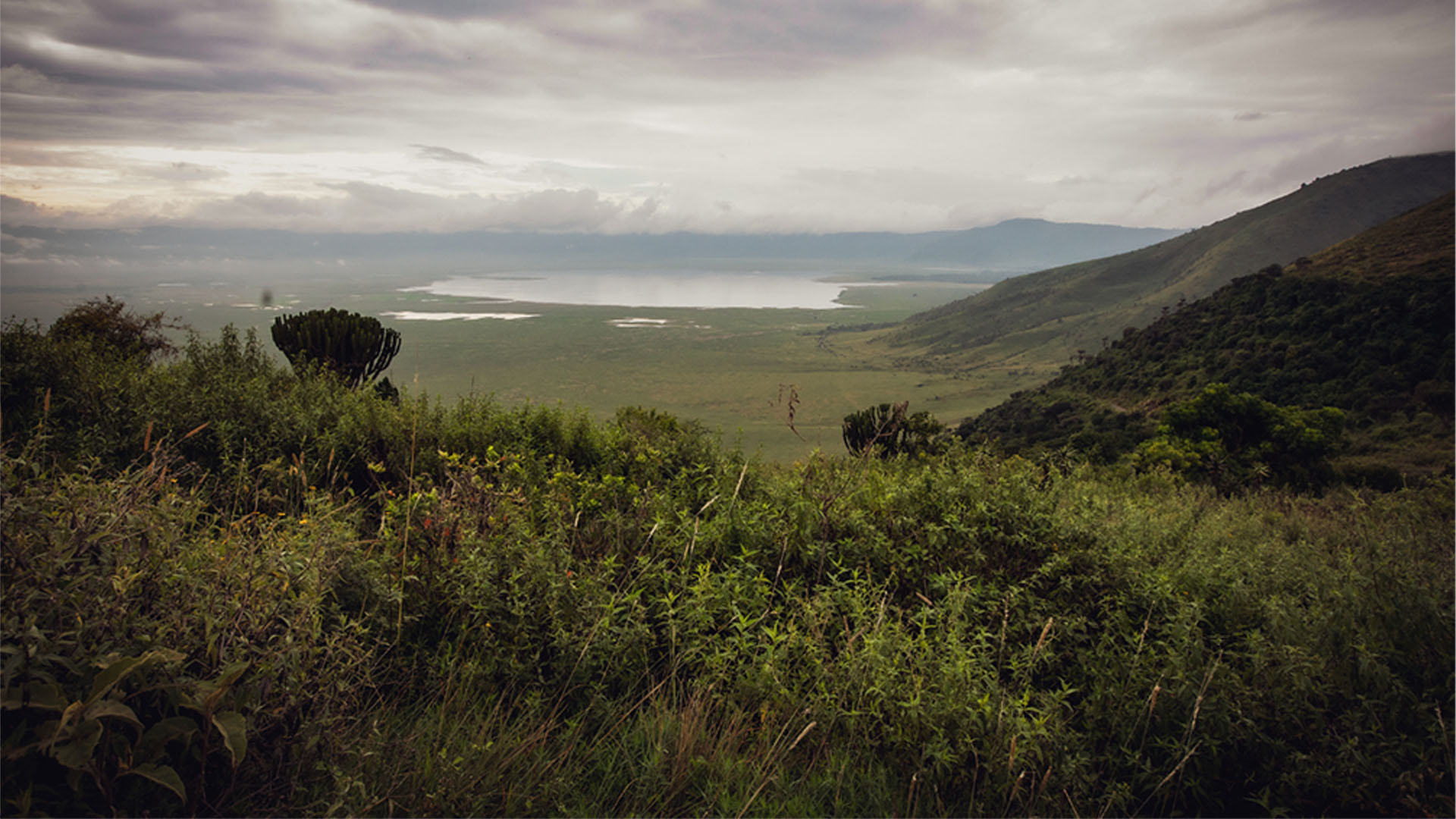
The Ngorongoro Conservation Area is one of Tanzania’s most extraordinary safari destinations, combining spectacular landscapes, abundant wildlife, rich cultural heritage and some of the world’s most important archaeological sites. At its heart lies the famous Ngorongoro Crater, the world’s largest unbroken caldera and one of Africa’s most remarkable natural wildlife settings.
The conservation area stretches across highland plains, savanna, woodlands, forests and volcanic landscapes. It is also part of the wider Serengeti ecosystem, with seasonal movements of wildebeest, zebra and gazelles passing through the area.
A safari here is about more than wildlife. The area has been inhabited and used by Maasai pastoralists for generations, while nearby Olduvai Gorge and Laetoli preserve important evidence of human evolution extending back millions of years.
For travelers looking for a combination of spectacular scenery, excellent wildlife viewing, culture and history, Ngorongoro Conservation Area is an essential stop on a northern Tanzania safari.
8,094 km²
The Ngorongoro Conservation Area covers approximately 809,440 hectares, extending from the Serengeti plains toward the eastern arm of the Great Rift Valley.
By road: Ngorongoro is commonly visited as part of a northern Tanzania safari from Arusha, often combined with Tarangire, Lake Manyara and Serengeti.
By air: Travelers can also use domestic flights to nearby safari airstrips and continue by safari vehicle, depending on their itinerary.
The conservation area is particularly convenient to combine with Serengeti, making it a natural part of a northern Tanzania safari circuit.
June–October — Dry season with generally excellent wildlife viewing and comfortable safari conditions.
January–March — Green landscapes and seasonal wildlife activity, including the calving period in the wider Serengeti ecosystem.
Ngorongoro can be visited throughout the year, with the best timing depending on your interests, weather preferences and the other destinations included in your Tanzania safari.
1–2 nights recommended
One full day can provide a memorable introduction to the Ngorongoro Crater, while two nights allow more time to enjoy the surrounding conservation area and combine the crater with nearby cultural or archaeological experiences.
The Ngorongoro Crater is renowned for its exceptional concentration of wildlife, while the wider conservation area provides a much broader variety of landscapes and habitats.
The crater formed when a volcano roughly the size of Kilimanjaro collapsed on itself around 2–3 million years ago.
Tell us a little about your dates and group, and we will reply within one business day with a tailored quote.